
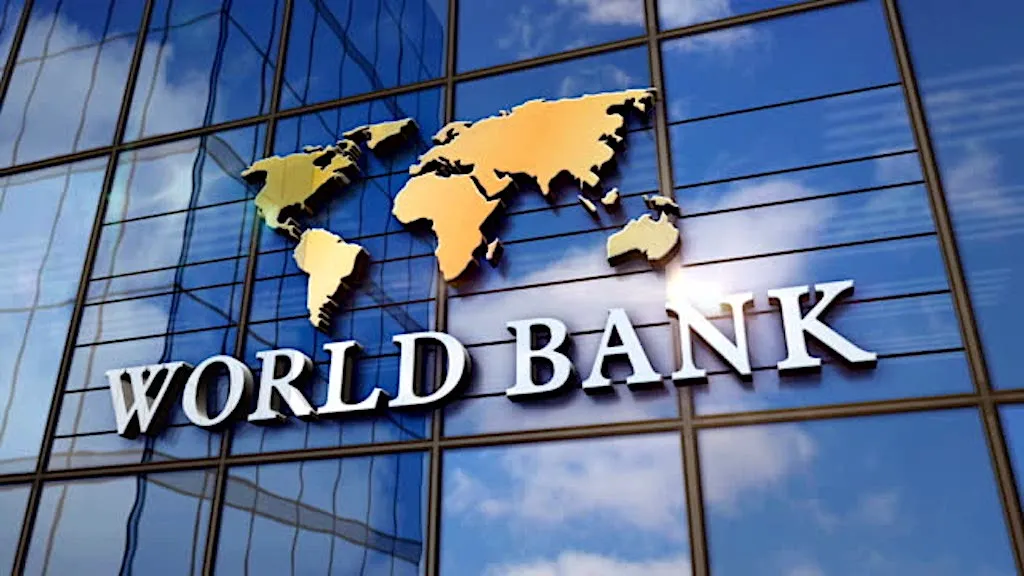
BREAKING: Nigeria’s Challenge Is Low Revenue, Not High Debt – World Bank
ABUJA, Nigeria – The World Bank has stated that Nigeria’s major fiscal challenge is not the size of its public debt but the country’s persistently low revenue generation, highlighting the need for stronger domestic revenue mobilization to support economic growth and development.
According to the international financial institution, Nigeria’s debt-to-GDP ratio remains relatively moderate when compared to several emerging economies. However, the country’s low revenue base continues to limit its ability to finance critical infrastructure, social services, and economic development initiatives.
The World Bank noted that a significant portion of government revenue is used to service debt obligations, leaving limited fiscal space for investments in key sectors such as education, healthcare, transportation, and energy.
Economic analysts have long argued that Nigeria’s challenge lies in its narrow tax base, low non-oil revenue generation, and heavy dependence on crude oil earnings. Fluctuations in global oil prices have often exposed the vulnerability of the country’s revenue structure, underscoring the need for diversification and improved tax administration.
The institution urged policymakers to intensify reforms aimed at boosting revenue collection, expanding the tax net, improving compliance, and creating a more conducive environment for private sector growth. It also emphasized the importance of transparency and accountability in public financial management.
The latest assessment comes amid ongoing economic reforms by the Federal Government aimed at strengthening fiscal sustainability, attracting investment, and stabilizing the nation’s economy.
Experts believe that improving revenue generation could significantly enhance Nigeria’s ability to meet its development goals while maintaining sustainable debt levels and reducing fiscal pressures.
The World Bank’s position is expected to fuel further discussions on tax reforms, government spending efficiency, and strategies for achieving long-term economic resilience in Africa’s largest economy.
BreakingNews #PressHubMediaAgency #WorldBank #NigeriaEconomy #EconomicReforms #FiscalPolicy #RevenueGeneration #DebtManagement #NigeriaNews #BusinessNews #EconomicGrowth #PublicFinance #TaxReforms #Investment #DebtServicing #FinancialNews #AfricaEconomy #PolicyReforms #TrendingNews #PressHubUpdate








Leave a Reply